.png)
How to Safely Check on Your Baby While Driving
- bubbasafe

- Jan 2, 2025
- 2 min read
Every parent wants reassurance that their baby is safe while driving — especially when travelling alone or at night. However, checking on your baby the wrong way can increase driver distraction and compromise road safety.
This guide explains how to safely check on your baby while driving, without taking your focus off the road.
Why checking on your baby can become a safety risk
Many parents instinctively:
Turn their head to look into the back seat
Adjust mirrors repeatedly
Twist their body while driving
Even short distractions can significantly increase accident risk — especially in traffic, at intersections, or on highways.
Australian road safety guidelines consistently highlight driver distraction as a major contributor to collisions.
Common unsafe ways parents check on their baby
Some habits feel harmless but are risky:
Turning around to look directly at your baby
Over-adjusting mirrors while driving
Relying on unclear reflections
Repeatedly checking when anxious
These actions momentarily take attention away from the road.
👉 Internal link:
The safest way to check on your baby
The safest approach allows you to:
Keep your head forward
Use quick eye movements only
Maintain full awareness of traffic
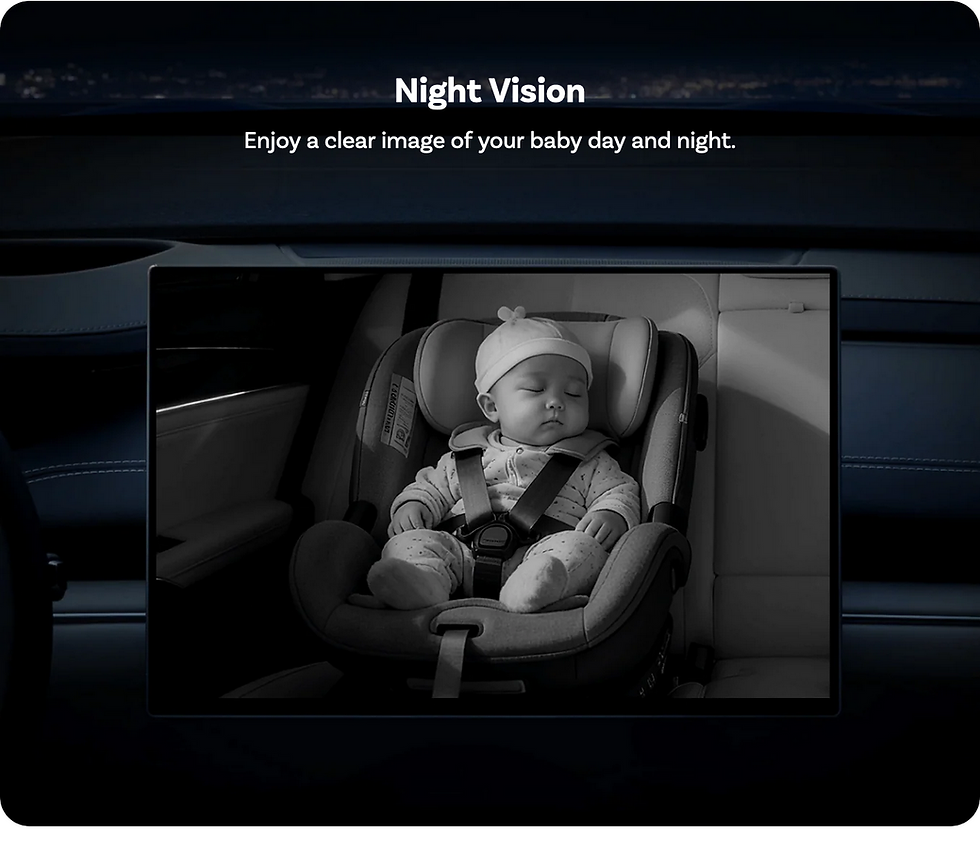
Modern baby car cameras support this by placing a clear visual feed within the driver’s natural line of sight.

Why reducing head movement matters
Turning your head — even briefly — affects:
Reaction time
Peripheral awareness
Vehicle control
Keeping your body aligned with the road helps ensure faster responses to sudden hazards.
Tips for safer driving with a baby
Set up all accessories before driving
Avoid adjusting mirrors while in motion
Use accessories that minimise distraction
Take breaks on longer drives
Trust systems designed for safety, not convenience
👉 Internal link:
Final takeaway
Checking on your baby should never come at the cost of safe driving. Choosing tools that support eyes-forward awareness allows parents to drive with confidence and peace of mind.

Comments